Completed project
Tungiasis Elimination in Napak
A community-based One Health approach combining treatment of people and affected domestic animals with health education, community participation and empowerment in Napak District. The project ran from 2021 to 2024, with the main treatment intervention in 2021–2022 followed by a phase focused mainly on follow-up and monitoring in 2023–2024.
- Status
- Completed
- Location
- Three parishes, Ngoleriet sub-county, Napak District
- Period
- 2021–2024 (four years)
- Support
- Else Kröner-Fresenius-Stiftung (EKFS)
Project Timeline
2021–2022 · Main intervention: The first two years concentrated on repeated diagnosis and treatment of people and affected domestic animals, alongside health promotion and community participation.
2023–2024 · Follow-up and monitoring: The final two years focused mainly on following up affected communities and monitoring the tungiasis situation.
Why This Project
Tungiasis can cause pain, walking difficulties and disruption to school and work. This project tested integrated treatment and health promotion in three parishes of Ngoleriet sub-county.
Community Delivery
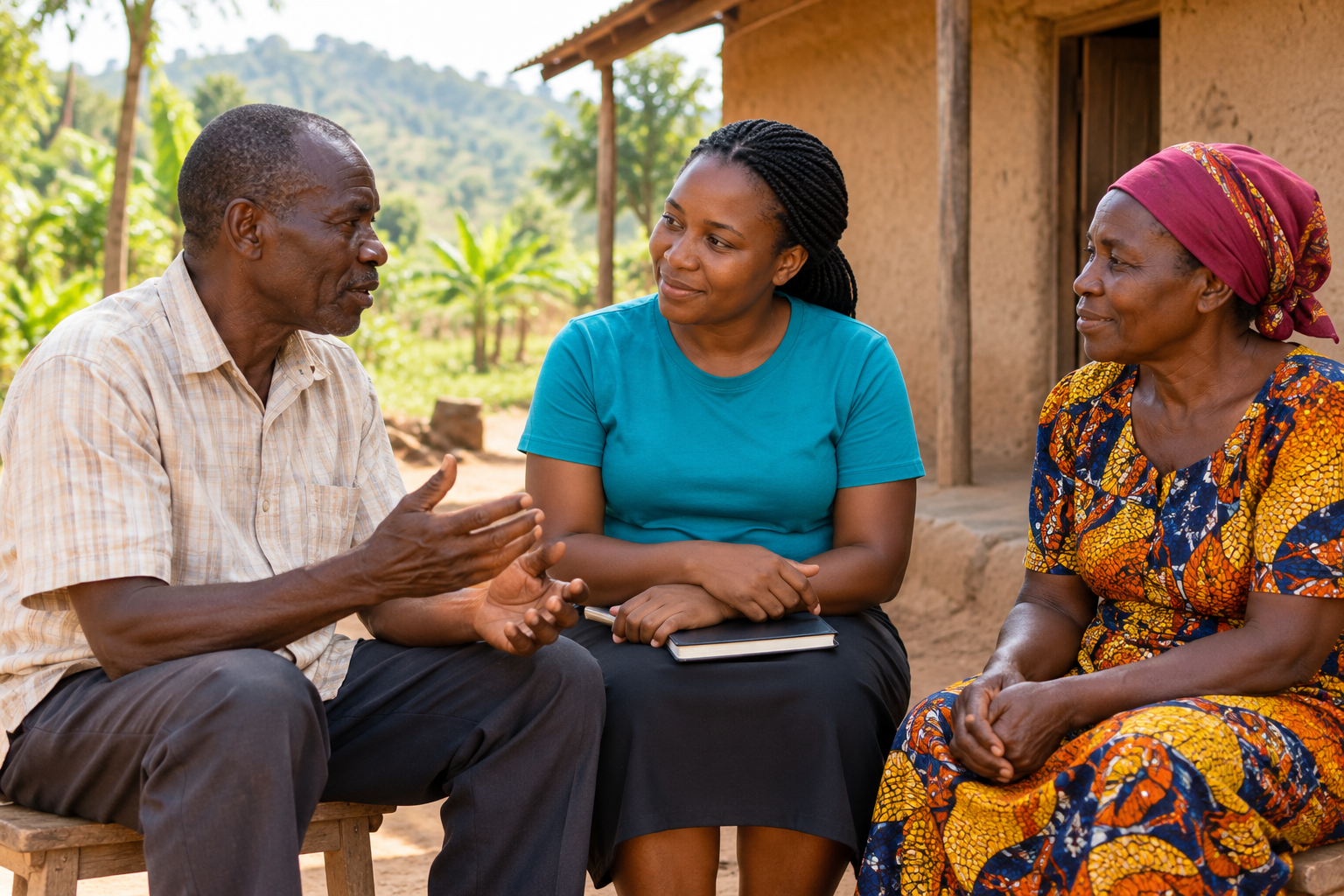
Specially trained resident tungiasis health workers worked with Village Health Teams and Local Council 1 leaders. An IFOTRODE team of two social workers and a nurse supervised repeated detection and treatment of people and affected domestic animals using dimeticone oils. This One Health approach combined systematic treatment with health education, community participation and community empowerment.
Results from 2021–2022
The project report records 6,733 residents examined and 3,865 treated at least once. Tungiasis prevalence fell from 62.8% at baseline to 5.7% at the end of the 2021–2022 treatment intervention. The median number of lesions declined from 11 to 4. Walking difficulties associated with tungiasis declined from 464 residents to five after two years. The findings demonstrate the potential of repeated treatment, community engagement and health promotion to reduce tungiasis and associated disability. They describe the 2021–2022 intervention in the participating communities, rather than current disease levels.
Sustainability and Support
Community dialogues and dissemination workshops engaged stakeholders. Village health structures were supported to continue control activities, while the report calls for integration with routine health services. The project received financial support from EKFS.
Evidence and Sources
Source for the figures above: Tungiasis Elimination project, IFOTRODE executive summary, reporting the 2021–2022 intervention. Figures refer to residents, not treatment encounters. Read the peer-reviewed Napak community intervention study in PLOS Neglected Tropical Diseases.